Playdates by animal
Cat playdates and socialization
Cats get written off as solitary, which is only half true. Plenty of cats — especially young ones and those left alone all day — do noticeably better with feline company. The catch is that cat introductions go badly when they are rushed, so this is the species where doing it slowly matters most.


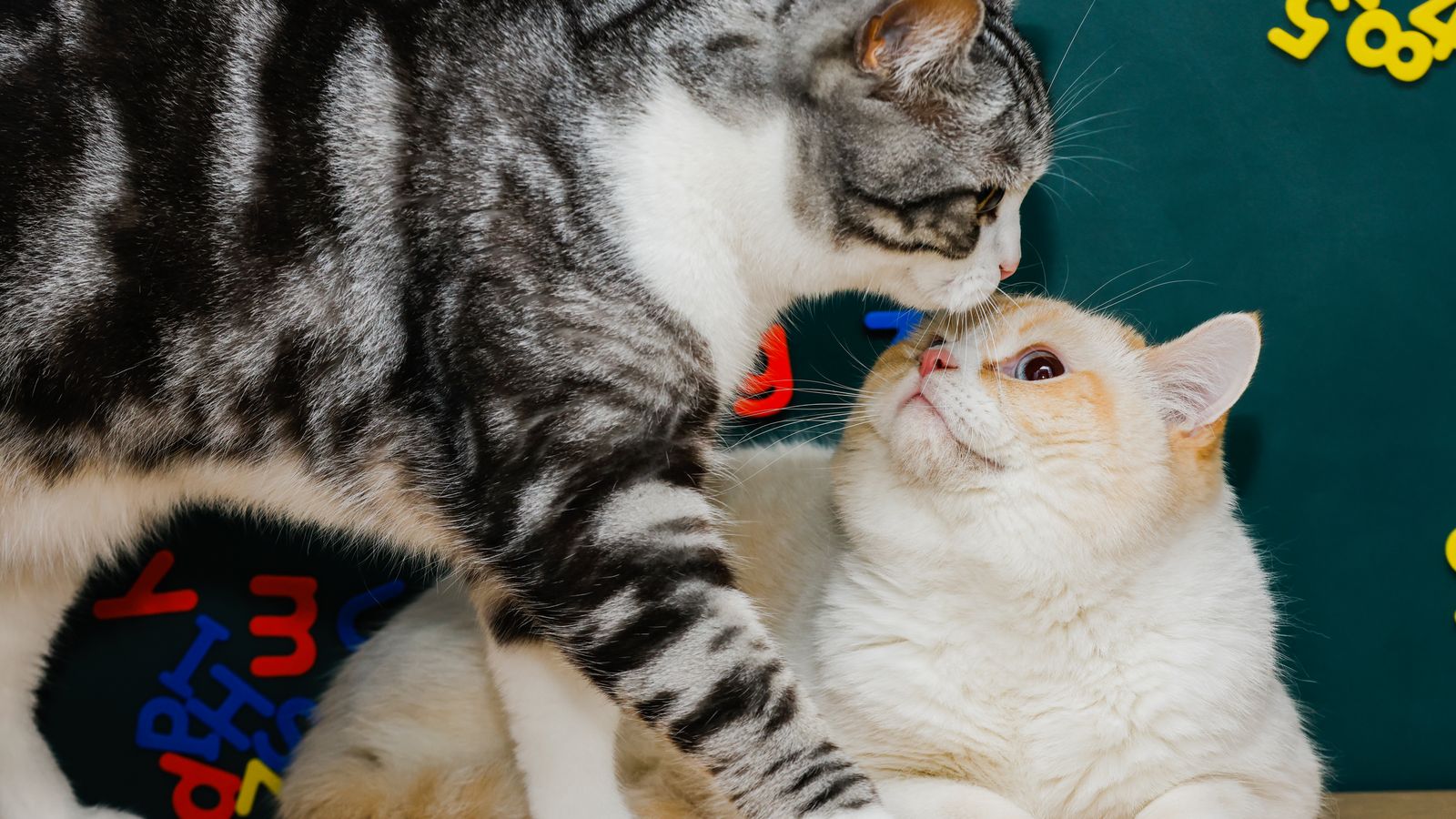
Why it matters for cats
The honest version
An under-stimulated indoor cat does not get sad in an obvious way. It gets destructive, over-groomed, or fixated on the one human it has. Companionship is one of the few things that reliably helps.
What a good match depends on
The things that actually predict whether two cats will get on.
Temperament over everything
A confident cat and a timid one is the hardest pairing. Two cats with similar confidence levels usually settle far faster.
Age and play intensity
Kittens play rough and constantly. An older cat will tolerate that for about a week before it becomes a problem.
Indoor or outdoor life
A strictly indoor cat and a cat with outdoor access have different routines, and different health considerations to discuss with your vet.
Health verification
Vaccination and neuter status are shown up front — particularly important between cats, where the relevant infections spread easily.
Running a safe first meeting
Species-specific practice. None of this replaces your vet — if either animal has an ongoing health issue, ask them first.
- Swap scent first: exchange a blanket or bed for several days before the cats ever see each other.
- First visual contact through a barrier — a cracked door or a carrier — never face-to-face in an open room.
- Keep visits very short at the start and always end before either cat escalates.
- Separate food, water and litter, always. Resource competition causes most failed introductions.
- Ask your vet before introducing cats if either has an ongoing health issue.
Cat playdates by city
Local guidance for the cities we cover.
Cats — common questions
Do cats actually need other cats?
Some do and some genuinely do not. Cats who came from a litter they stayed with longer, and cats left alone for long workdays, are the ones most likely to benefit. A cat who has been an only cat happily for a decade may well prefer to stay that way.
How long does a cat introduction take?
Longer than people expect — often several weeks of scent swapping and barrier contact before any free interaction. Rushing it is the single most common reason introductions fail.
Can cats have playdates like dogs do?
Not usually in the drop-in-at-the-park sense. Cat companionship works through gradual, repeated introductions in a calm home, which is what Pawmance is set up for.
What if my cat hisses?
Hissing at a first meeting is communication, not disaster. Sustained growling, flattened ears and stalking are the signs to separate and slow right down.
Find your cat a compatible companion
Health-verified profiles, matched on the things that matter. Free to browse.
Open app