Playdates by animal
Horse companionship
A horse living alone is a horse without a herd, and it shows — in weaving, in fence-walking, in the kind of anxiety that makes everything else harder. Finding a compatible companion is one of the highest-impact things an owner can do.


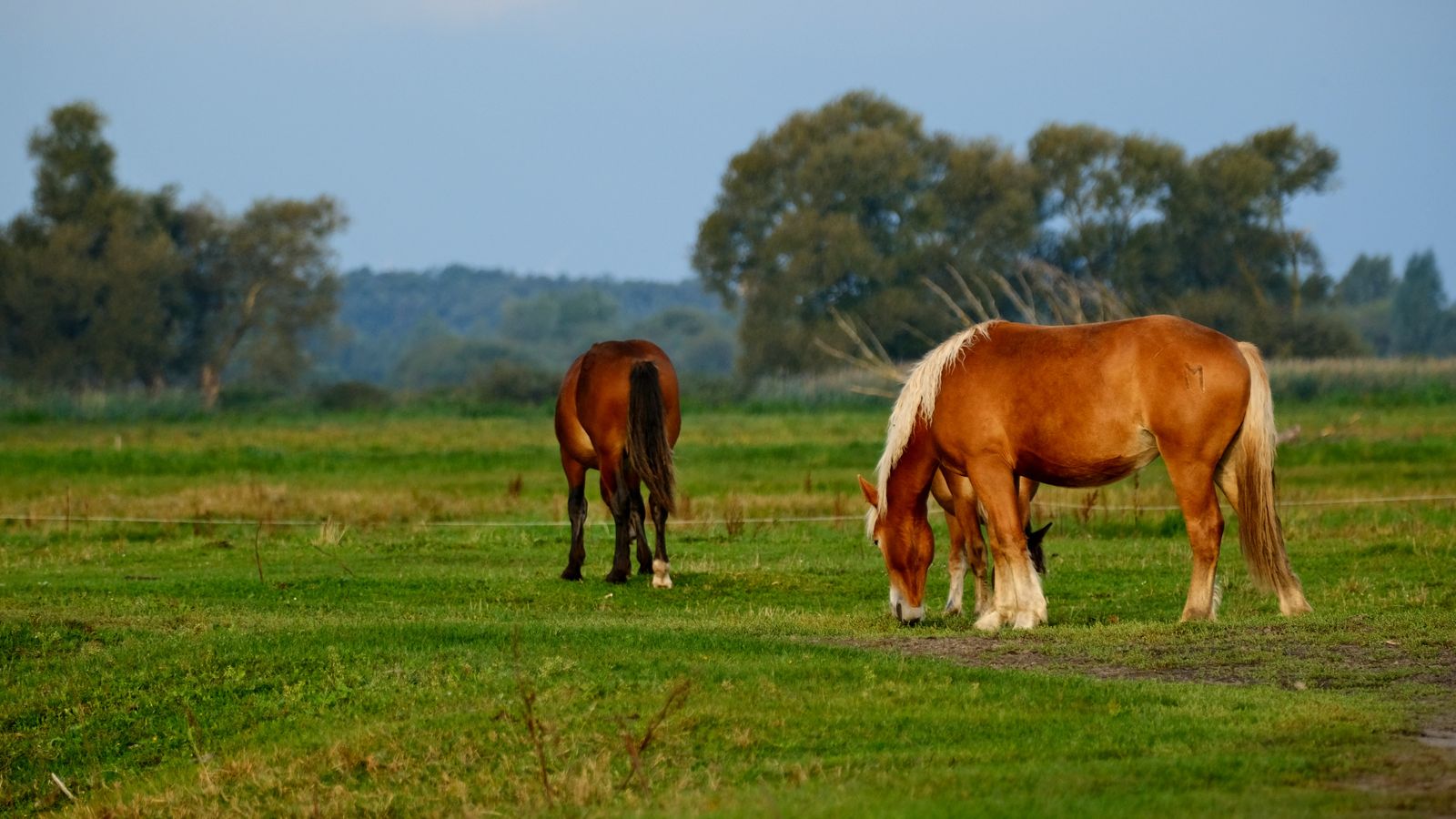
Why it matters for horses
The honest version
Herd living is not a preference for horses, it is how they are built. Company reduces stress behaviours, settles feeding and often makes handling and travel noticeably easier.
What a good match depends on
The things that actually predict whether two horses will get on.
Temperament and hierarchy
Two dominant horses in a small paddock is a recipe for injuries. A clear, calm pairing settles much faster.
Size and age
A boisterous young horse turned out with a frail senior is a genuine safety problem, not just a mismatch.
Turnout and yard logistics
Companionship only works if the practical side does — shared turnout, compatible routines, and owners who can actually reach each other.
Health verification
Vaccination and worming status are visible up front, which matters enormously before any shared grazing.
Running a safe first meeting
Species-specific practice. None of this replaces your vet — if either animal has an ongoing health issue, ask them first.
- Introduce over a fence line first, for days rather than hours.
- Remove hind shoes before first shared turnout where your yard allows it.
- Use a large space for the first turnout so either horse can leave.
- Feed separately until the hierarchy has settled.
- Involve your vet and your yard manager in the plan before anything moves.
Horses — common questions
Can a horse live alone if it has human company?
Daily handling helps, but it does not replace a herd. Most horses kept alone show stress behaviours that resolve when they get equine company.
Does the companion have to be another horse?
Ponies, donkeys and in some yards other livestock are all used as companions. Another equine is usually the most straightforward.
How long before two horses settle?
Often a few weeks. Some squealing and posturing at the start is normal; sustained chasing or any injury means separate and rethink.
What should I check before shared turnout?
Vaccination and worming status, shoe situation, paddock size and whether both owners agree on feeding. Your vet is the right person to sign off the health side.
Find your horse a compatible companion
Health-verified profiles, matched on the things that matter. Free to browse.
Open app